Discovery at HUST -China's Low-Carbon Economy and International Cooperation Program
Centered on the theme of “Sustainable Development of China’s Economy”, this program designs a series of specialized lectures covering fields such as artificial intelligence, high-quality development, financial markets, pathways to carbon neutrality, and development economics. It also includes on-site research activities in local areas and provides cultural experiences, providing international participants with in-depth understanding of China’s sustainable economic development model.
- Cutting-Edge Courses Focused on China’s Development:Taught by leading experts, the program covers six key economic themes—including AI, carbon neutrality, and financial markets—to analyze China’s sustainable development path.
- Corporate Visits to Experience Innovation:Go behind the scenes at tech giants like Xiaomi and FiberHome to witness China’s technological advancement and industrial upgrading firsthand.
- Cultural Immersion for a Deeper Understanding:Engage in cultural lectures, explore historical sites like the Provincial Museum and Yellow Crane Tower, and experience the richness of Chinese culture.
- Green Practices Highlighting Sustainable Achievements:Cycle around East Lake, visit rural revitalization projects, and see how China balances ecological protection with urban-rural development.
- Collaborative Learning and Lasting Connections:Through group work, project presentations, and campus activities, build a global network and create meaningful memories.
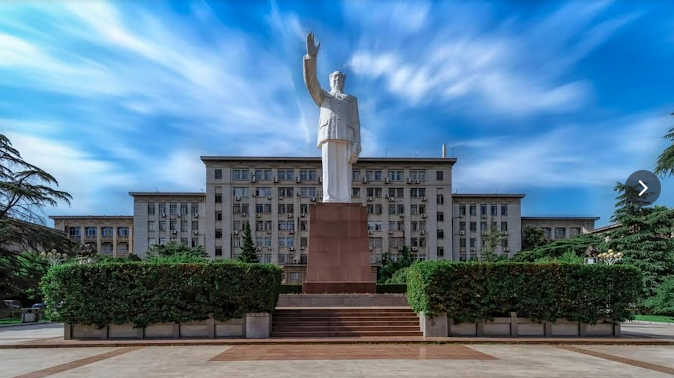
The school of Economics at Huazhong University of Science and Technology (HUST) is a leading economics institution in China. Founded by Peikang Chang, the father of Development Economics in China, the school has a strong reputation for excellence in economics education, research, and public service. Committed to training economists for international and cutting-edge academic research, the school has produced numerous distinguished economists, experts, and leaders in academia, business, and politics.
With over 70 full-time faculty members conducting world-class research in nearly all areas of economics—including economic theory, econometrics, macroeconomics, international trade, industrial organization, development economics, labor economics, health economics, and environmental economics—the school consistently publishes in top-tier academic journals. Senior faculty members often serve on government commissions addressing critical issues like housing, regional development, and poverty.
Since 2000, the school of Economics has successfully cultivated 345 international students, including 66 bachelor’s, 167 master’s, and 72 doctoral graduates.
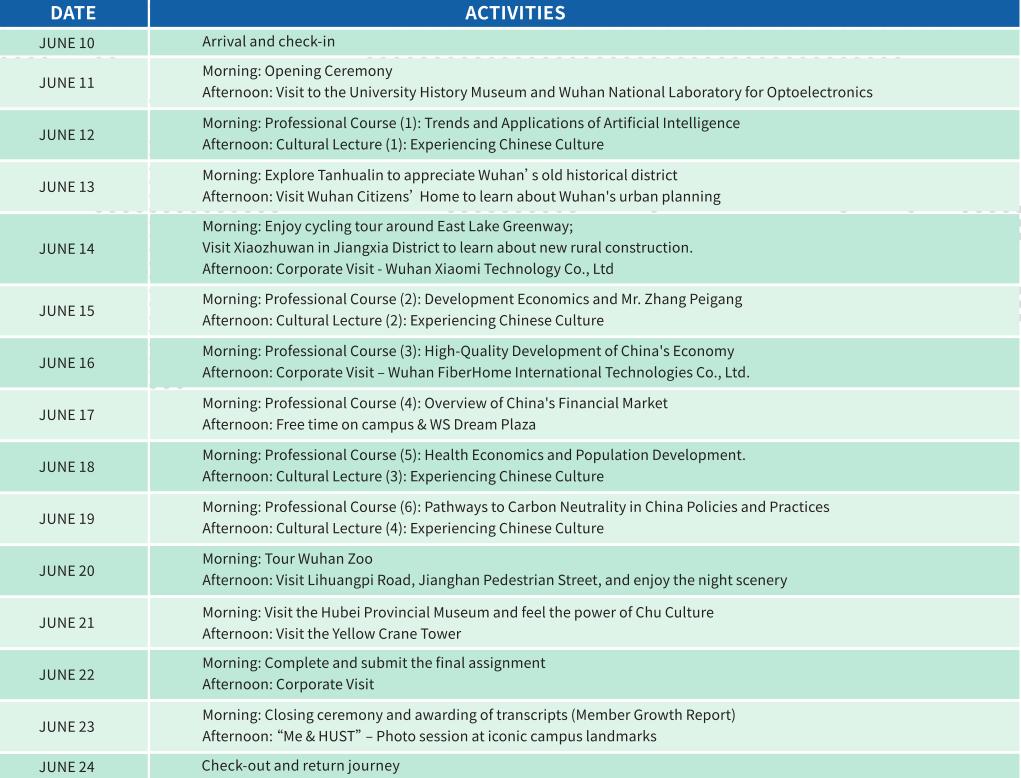
Program Schedule
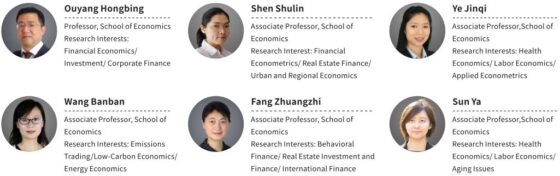
Lectures
Application Form:
Frequently Asked Questions
There is no refund for this summer school.
This summer school is designed to serve students with all levels.